
Quiet Luxury Icons Compared: The Row label vs. Bottega Veneta
Quiet luxury has a vocabulary, and two houses wrote most of it. Both The Row and Bottega Veneta each lean into understatement instead of branding, construction ahead of fads, and price points that repay deliberation over impulse buying. Still, each label reaches minimalism by a different route, and this difference is worth noting if you’re weighing up where to spend four-figure sums on a bag or a coat. The Row builds from an American ready-to-wear sensibility rooted in tailoring and fabric purity. An Italian house, Bottega Veneta established its identity through leather craft — namely the intrecciato weave, which turned into a coded signal of understated wealth. Shoppers researching either name are usually comparing philosophies as much as products, so this piece looks at both with equal weight before narrowing in on where The Row pulls ahead.
Origins and Design Philosophy of the Brands
The Row was founded in 2006 by Mary-Kate and Ashley Olsen, who left behind the fast-fashion instincts of their earlier ventures to chase something closer to couture-level construction sold as ready-to-wear. Their approach favors long lines, muted palettes, and fabrics like double-face cashmere and Japanese cotton poplin. Most pieces show no visible branding. Tracing back to 1966 in Vicenza, Italy, Bottega Veneta established its reputation through leather goods well before branching into ready-to-wear decades later. Its signature intrecciato weave, introduced in the 1970s, became a way to signal luxury without a single letter of branding.
A “logo-less” approach is shared by both houses, but its execution diverges. The Row leans toward architectural minimalism in clothing first, bags second. https://laurentoutlet.com/ Leather goods anchored Bottega Veneta’s modern identity, with deeper moves into ready-to-wear coming more lately, tied to shifts in creative leadership. People discussing quiet luxury as a movement tend to mention The Row’s tailoring next to Bottega’s woven leather, although crossover between the brands’ supply chains or manufacturing bases is rare. Production for The Row happens largely in Italy, with a portion of the line made in the U.S., while Bottega Veneta manufactures nearly all its goods in Italy, clustered near its Vicenza roots.
The Row’s Bags: Their Defining Traits
Discussions of The Row’s bags tend to start with the Margaux, its most identifiable shape. Its debut came as an open-top tote featuring a loose, unstructured shape that photographs differently on every wearer — one reason it appeals. Below Margaux in visibility sits the Sofia, a top-handle bag with a more rigid frame, and the Bourse, a smaller crossbody style favored for its compact hardware-free closure. These are among the top row bags most often mentioned by stylists and resale platforms alike.
It’s in the craftsmanship that The Row bag proves its cost. The choice of leather skews toward hides finished with vegetable-tanning or semi-aniline methods, chosen for their aging qualities as opposed to their off-the-shelf appearance. Seams are kept purposefully sparse, more often than not a single-needle technique which results in almost no visible seam. There’s no embossed logo on the exterior of the majority of styles; verification comes from a hidden interior stamp alone. This has made counterfeiting a real issue, and it’s part of why shoppers ask specifically where to buy The Row Margaux bag through vetted retailers as opposed to third-party resellers with unclear provenance. The brand’s own site and a small number of approved luxury stockists continue to be the surest option for anyone chasing a true original rather than a convincing copy.
The Bottega Veneta Bag Collection: The Weave and Beyond
Bottega Veneta’s handbag range centers on the intrecciato weave, a method in which strips of leather get woven together rather than cut and stitched flat. The Cassette, Jodie, and Pouch models each display this technique in different sizes, from clutch-sized to full shoulder bags. During Matthieu Blazy’s run as creative director, concluding in 2024, the house leaned into padded, pillowy silhouettes that smoothed out its previously sharper, more geometric aesthetic. His successor has gone on refining instead of overhauling, which is telling of something about how conservative bag design has grown across quiet luxury brands generally.
Pricing at Bottega Veneta generally begins around $2,000 for smaller woven leather styles and rises beyond $5,000 for bigger tote styles in exotic-skin finishes. It also turns out non-woven styles, such as the Arco bag, swapping out the intrecciato weave for smooth leather and sculptural handles. Set against The Row’s bags, Bottega Veneta’s pieces usually show a greater degree of texture and a somewhat youthful, trend-conscious feel, even within a minimalist framework. Where The Row asks you to notice the absence of detail, Bottega often asks you to notice the craft of a very specific, singular detail.
Price Points and Value Retention
The Row’s bag pieces generally start near $1,500 for smaller styles and extend up to $6,000 or more for exotic-skin versions of the Margaux. The ready-to-wear line goes up even further, with cashmere coat styles commonly priced above $4,000. Bottega Veneta’s price range occupies a similar range for leather items, though its ready-to-wear line usually sits slightly lower than The Row’s most rarified tailoring. Neither brand relies on regular discounting, which contributes to keeping resale values fairly steady, but a genuine row sale is rare enough that shoppers view it as a notable occasion rather than something to expect every season.
Across consignment marketplaces, The Row handbags hold 60 to 75 percent of starting value during the first two years, so long as the leather receives proper care. Similarly, Bottega Veneta’s Intrecciato-style designs perform about the same, sometimes somewhat better for limited editions or collabs. Neither house marks down steeply at retail, and that restraint is part of the attraction for buyers who view these pieces as durable assets rather than trend purchases. Stock disappears fast whenever a the row sale takes place, whether through the brand’s own site or an authorized department store, because the discount window tends to be brief and inventory scarce.
Side-by-Side Comparison: The Row vs. Bottega Veneta
| Attribute | The Row | Bottega Veneta |
|---|---|---|
| Established | 2006, United States | 1966, Italy |
| Signature bag | Margaux tote | Jodie / Cassette |
| Signature technique | Clean, stripped-down build, single-needle tailoring detail | Woven-leather Intrecciato technique |
| Entry bag price | ~$1,500 | ~$2,000 |
| Upper price tier | $6,000+ (exotic skins) | $5,000+ (exotic/large formats) |
| Production origin | Italy, a portion of U.S. production | Italy (the Vicenza area) |
| Resale value retention (2 yrs) | 60–75% | 55–75% |
| Design focus | Rooted in tailoring, bags as a continuation of the line | Leather-driven, apparel playing a supporting role |
Which Brand Fits Your Wardrobe?
The decision between the two often comes down to what a shopper already has in their closet and how they dress day to day. Someone whose wardrobe centers on tailored trousers, roomy coats, and a restrained neutral palette will find The Row fashion sensibility integrates seamlessly, because the house designs clothing and bags as a single continuous idea. Built specifically to disappear into a look rather than announce itself, the Margaux, which is exactly why it became the unofficial uniform bag of quiet luxury dressing. If your closet staples already tilt toward architectural minimalism, The Row tote bag styles will read as a natural extension rather than a stylistic detour.
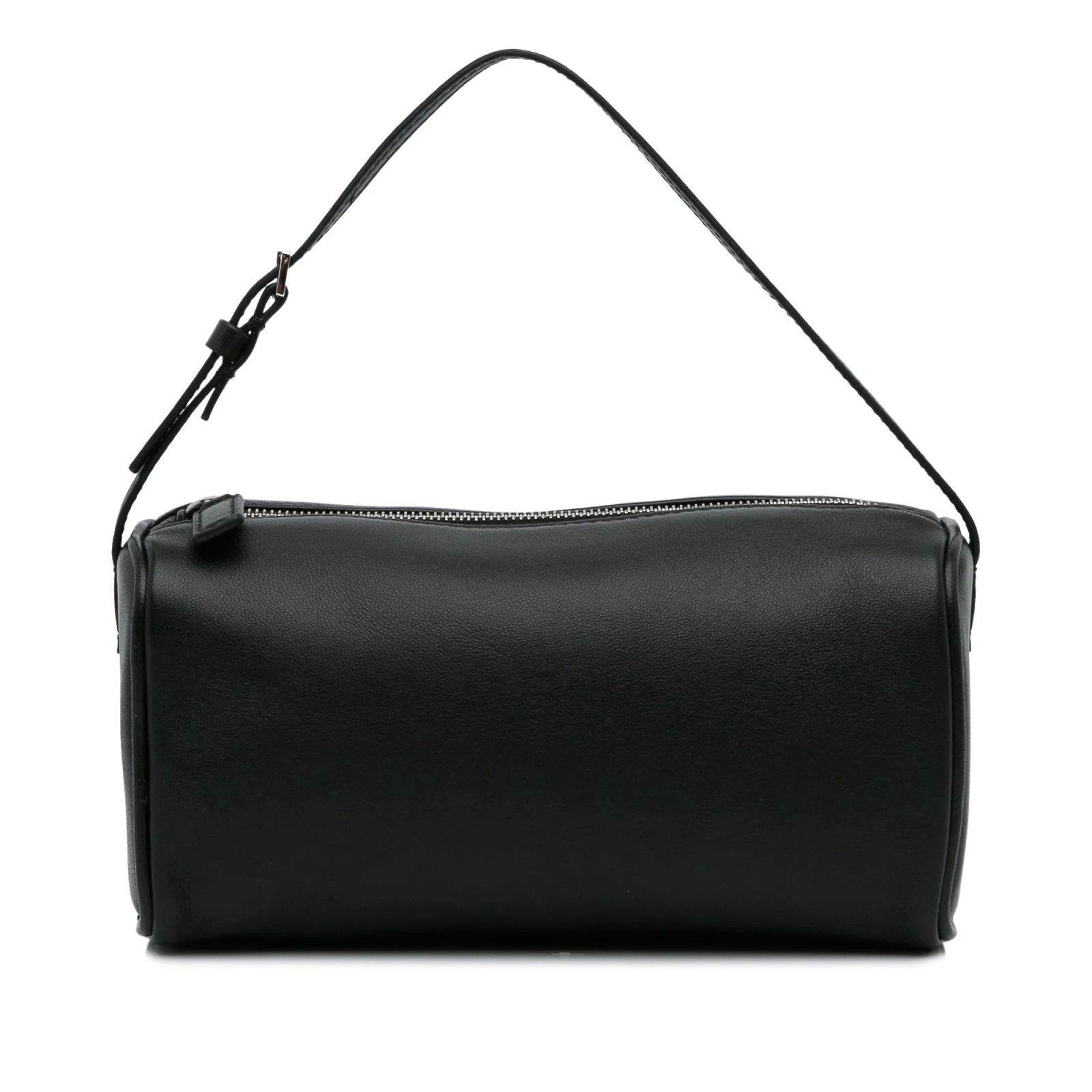
Bottega Veneta suits a slightly different instinct, one drawn to tactile detail and a bit more visual interest within a still-minimal frame. The weave itself is the design statement, so someone who wants texture without logos or hardware will likely gravitate here first. Both houses favor buyers who do their homework before purchasing, because counterfeits circulate heavily for both the Margaux and Bottega’s woven styles. Comparing row handbags against Bottega’s offerings side by side, in person if possible, remains the best way to judge weight, leather grain, and stitching quality before committing.
Bottom Line for 2026 Shoppers
Neither house is objectively superior; they address different style needs. The Row continues to be the smarter option for shoppers favoring tailoring alongside bags, since its ready-to-wear and accessories were designed as a single unified vision from the start. Bottega Veneta suits shoppers who want a bag-first purchase with a signature, easily-identified craft method that doesn’t rely on a logo to convey worth. Budget matters too: The Row’s starting price point on small leather goods nearly matches Bottega’s, but The Row’s ready-to-wear pricing climbs to a much higher peak.
For 2026, watch both brands’ official sites and a short list of authorized retailers for authenticated stock, particularly around the Margaux, where supply routinely falls short of demand. Those shopping around for the best row bags should cross-check interior stamps, hardware finish, and stitching density with verified reference images before spending resale-level prices. Regardless of which brand you settle on, both represent a rare case in luxury retail where restraint—rather than decoration—is what’s truly being sold.